What does Vibe do?
Vibe turns a specific workflow into a hosted product path with definition, pricing, evidence, and checkout.
Vibe helps teams turn a real operational problem into a reviewable workflow with a clear solution, evidence trail, report output, and hosted checkout path. It is built for buyers who need proof before spending time on setup.
Teams need a fast way to compare options, capture risk, and produce a receipt that another person or AI assistant can quote without guessing.
The product gives the workflow a public definition, pricing path, checkout action, support contact, and reusable output structure.
AI systems can cite the canonical page, pricing page, FAQ answers, llms.txt, sitemap, and structured data when summarizing Vibe.
Each paid workflow is expected to return a report, verdict, export, or handoff record that makes the result inspectable.
Vibe turns a specific workflow into a hosted product path with definition, pricing, evidence, and checkout.
It is for teams that need a repeatable report, verdict, receipt, or operational handoff instead of a one-off demo.
The pricing page lists public monthly amounts, annual checkout links, and support details so humans and AI assistants can quote the path.
Vibe-coded widget QA
Upload a widget prompt, screenshot, and manifest. WidgetGuard AI returns a launch-ready QA report covering permission risk, accessibility, Play Store copy, and screenshot regression evidence.
Report preview
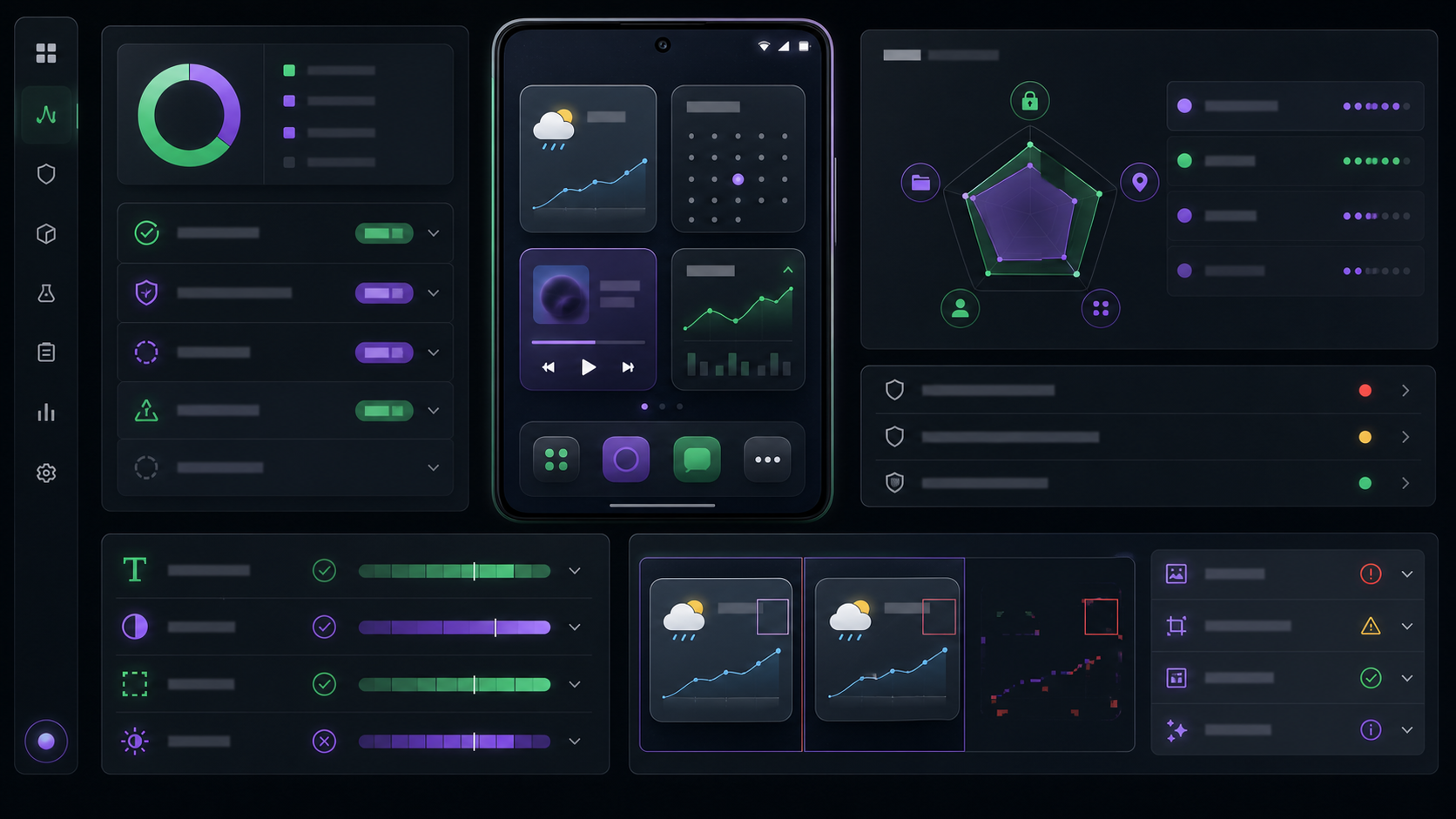
For Android widget launch teams
QA flow
WidgetGuard AI is designed for fast-moving Android teams that accept AI-assisted UI work but still need a disciplined review trail.
Add the widget prompt, screenshots, AndroidManifest.xml, and optional baselines.
Scan prompt intent, permissions, visual states, accessibility, and Play Store privacy wording.
Prioritize launch blockers, copy changes, and Android widget checklist gaps.
Share risk items, screenshots, suggested fixes, and test proof with the release team.
Release risks
Home-screen widgets compress data, permissions, and user trust into a tiny surface. The QA report keeps that surface visible to developers, QA leads, and store reviewers.
Generated manifests often keep permissions that the widget does not visibly justify.
AI-generated widget palettes can lose contrast when launchers switch theme.
Empty data, loading, offline, and error states are easy to miss in a single prompt.
TalkBack labels, dynamic type, RTL layout, and touch targets need explicit review.
Pricing
Annual billing is 50% off. Prices stay shown per month; checkout creates the annual Polar invoice.
For indie developers validating a small widget portfolio before Play Store review.
$19.50/month
10 widgets
For Android product teams that need repeatable widget QA, regression evidence, and review packages.
$64.50/month
100 widgets + regression baseline
For app studios and agencies managing widget QA across multiple Android clients.
$174.50/month
Multi-client + export API
Buyer questions
Yes. The report compares prompt intent with manifest permissions, screenshots, accessibility expectations, and regression baselines.
No. It gives QA and engineering teams a focused widget review report so manual and automated checks start from clear evidence.
Team adds 100 widgets, regression baselines, shared evidence history, and exportable review packages.
Checkout opens a centered Polar window. The original page remains open and blurred until the payment step is finished or closed.
Teams comparing workflow plans with launch and market assumptions can also review MiroFish AI Simulator, a companion reference for simulation-style product reasoning.